
Skip to content

Same-day serviceFinancing available

Houston, TX (713) 555-0183
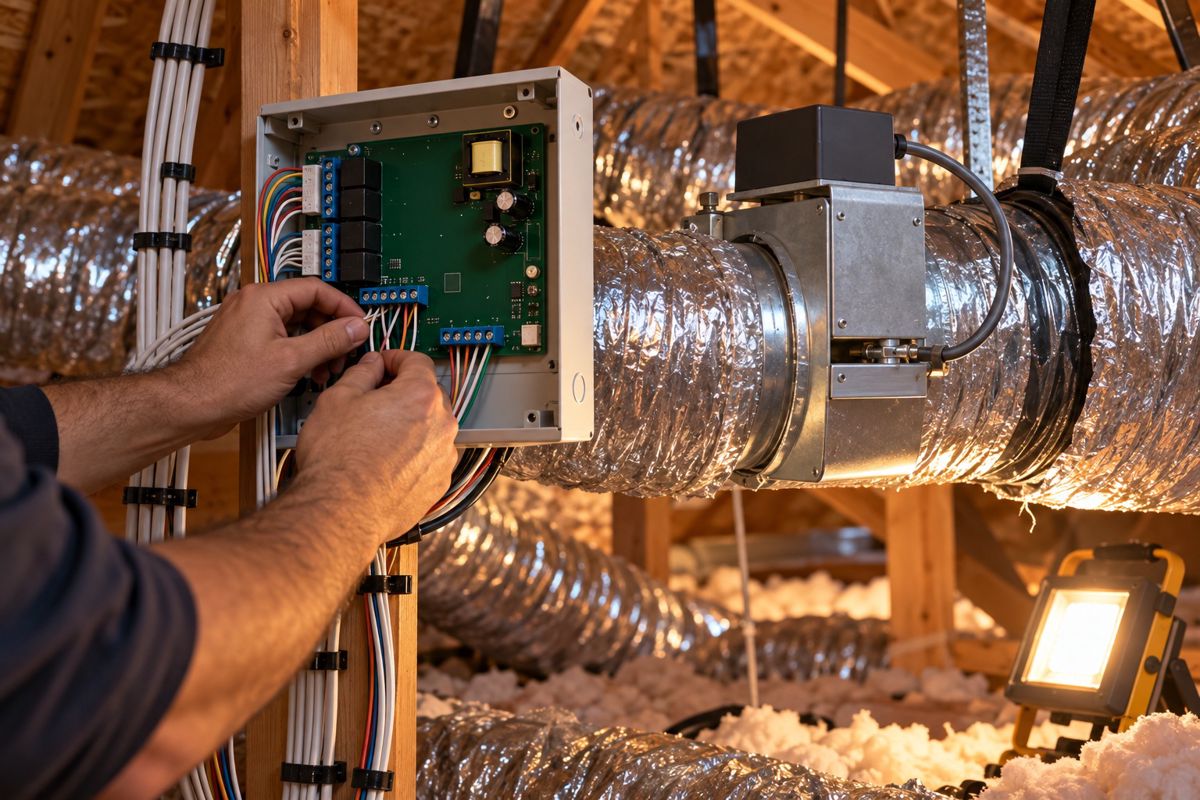
Technician wiring a zoning panel and damper in a Houston attic

Zoning in Houston, TX

HVAC zoning systems in Houston for hot and cold rooms

When one thermostat cannot keep every room comfortable, the fix may be zoning, better thermostat placement, or a duct change. We check before we recommend.

  • Causes of uneven rooms checked first
  • Thermostat accuracy and placement reviewed
  • Written quote before work begins

Step 1 of 3

What do you need?

What is an HVAC zoning system?

A zoning system splits the house into areas, each with its own thermostat. Motorized dampers in the ducts open or close to send cool air where it is needed. Upstairs can cool differently from downstairs, and a rarely used room does not get conditioned like a living room.

Zoning works best when the equipment and ducts are suited to it. Dampers push air to fewer rooms at times, which changes pressure in the system. If the unit is the wrong size or the ducts are small, zoning can cause noise and strain. That is why we look at the whole setup before recommending it.

For anyone researching HVAC zoning systems Houston homes can use, the key idea is simple: zoning controls where air goes. It does not add cooling capacity. If a room is hot because the system is too small or the ducts leak, zoning alone will not fix that.

Why are some rooms in Houston homes hotter than others?

Houston houses have a few common patterns that cause uneven temperatures:

  • Two-story homes. Heat rises, and an upstairs under a hot attic can run several degrees warmer than the first floor.
  • Bonus rooms over garages. They have exposed floors and walls, and ducts at the end of a long run.
  • West-facing rooms. Afternoon sun can overwhelm the airflow they get.
  • Long or leaky attic duct runs. Cool air warms up before it reaches the room.
  • Weak returns. Closed doors can trap air and leave a room under pressure.
  • Single thermostat placement. A thermostat in a cool hallway can shut the system off while a back room is still hot.

Fixing the real cause can be cheaper than adding equipment. Sometimes balancing the ducts or adding a return is enough.

What does thermostat calibration and replacement involve?

A thermostat that reads a few degrees off, sits in direct sun, or is placed on a cold wall can make the whole house uncomfortable. Calibration means checking the reading against a trusted instrument and, where possible, adjusting it. Sometimes the answer is moving the thermostat or replacing it.

Smart and programmable thermostats

These can set schedules, show run times, and in some cases manage humidity along with temperature. Make sure the model works with your equipment, especially variable-speed systems. Setup details matter. A smart thermostat with the wrong settings can waste more than it saves.

After outages

Storms can knock out power for long periods in Houston. Ask that the thermostat keep its schedule after an outage, and know how to reset it. Also confirm that your settings protect the compressor from short cycling when power returns.

Costs depend on the house, so we do not publish prices. The main factors are:

  • The number of zones and the number of dampers needed.
  • Ductwork access in the attic or ceiling.
  • Whether the equipment and ducts suit zoning or need changes.
  • The control panel and thermostat models.
  • New wiring for thermostats and dampers.
  • Duct sealing, added returns, or balancing work.
  • Permit requirements, where they apply.

Sometimes a smaller step solves the problem. We may recommend moving a thermostat, balancing airflow, or fixing a duct before any zoning is installed. A written quote lists what is included, and we explain why each item is there.

How long does it take, and when should you call?

A thermostat swap or calibration can be quick, while a multi-zone install takes longer because of duct and wiring work in the attic. We confirm the plan after looking at the house.

Call when one floor is always hotter, when a room never matches the thermostat, or when you are building an addition and want to know how to handle it. If the problem is one room that ducts cannot serve, a ductless mini-split may be a better answer. If the system struggles overall, it may need an AC repair first.

See our home page for the full list of services, or call (713) 555-0183 and tell us which rooms are the problem.

  • Same-day service
  • Financing available
  • Clear communication
  • Upfront pricing

How it works

  1. Book a visit

    Call or request a time online.

  2. Diagnosis and quote

    A technician finds the problem and quotes the fix.

  3. Repaired or replaced

    Most repairs finished the same day.

Request thermostats and zoning

Tell us what you need and we call you back.

No obligation.

Step 1 of 3

What do you need?

Questions about hvac in Houston

Will zoning fix my hot upstairs?

It can help, but it depends on the cause. If the ducts are leaky, the system is too small, or the attic is poorly insulated, zoning alone will not solve it. We check airflow, ducts, and equipment first. Sometimes balancing or adding a return does more than a zoning panel.

Can any air conditioner work with zoning?

Not always. Zoning changes airflow across the system, so the equipment and ducts must handle it. Variable-speed equipment often works better than a basic single-stage unit. A load and duct check tells us whether zoning is a good idea or whether another fix suits your home better.

How do I know if my thermostat is accurate?

Compare it to a reliable thermometer placed near it for a while. A difference of a couple of degrees is a sign to investigate. Also check whether it sits in sun, near a vent, or on an exterior wall. We can check the reading, move the thermostat, or replace it if needed.

Is a smart thermostat worth it?

It can be, if it works with your equipment and you set it up properly. Schedules, remote access, and run-time reports are useful. The savings depend on how you live. We confirm compatibility before installation and set it up so it does not cause short cycling or humidity problems.

Can zoning help with humidity?

Not directly. Zoning controls where air goes, not how much moisture is removed. In some cases, running the system longer at a lower output helps humidity, which is a feature of variable-speed equipment. For stubborn moisture, a dehumidifier or a sizing check is more reliable.

What if my room is too hot because it has no ducts?

Then zoning will not help. A ductless mini-split is often the better answer for a room that the ducts do not reach or serve well, such as a converted garage or an addition. We can compare that against extending the ducts and tell you which makes more sense.

Ready when you are. Call now or request a quote online.

Get a free estimate